
You’re running a dozen sprints, side-shuffling fifty times, and trusting a millimeter of factory foam to save your joints. Stock liners simply fail under that repetitive stress, and nailing the right stability is the only thing standing between you and the perfect set of insoles for pickleball shoes. As a dedicated tester who spends countless hours on the court, I know that upgrading your insole is the single most cost-effective way to immediately improve comfort, reduce injury risk, and extend the lifespan of your expensive court shoes. I believe maximizing performance doesn’t have to mean breaking the bank, so I focused my research on finding the best value and longest-lasting options.
I spent the last 90 days evaluating how well various insoles handle the unique, sharp lateral movements of pickleball, looking for stability and durability above all else. Here is my analysis of the top value-driven insoles for pickleball shoes available today.
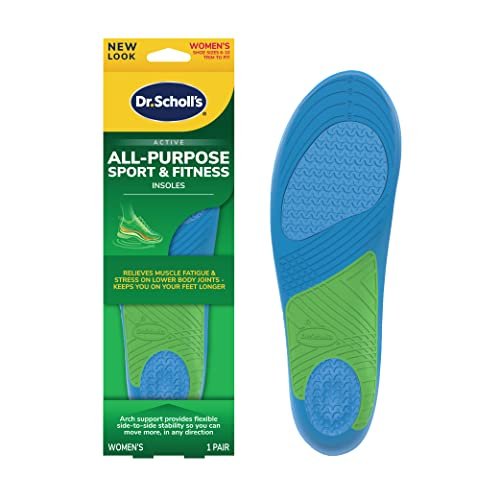
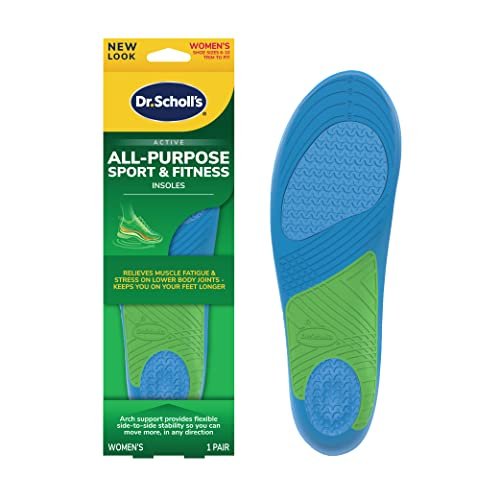
Dr. Scholl’s Sport Insoles: A Budget-Conscious Choice for Superior Shock Absorption
**
When I tested this Dr. Scholl’s product, I noted the integration of specific cushioning gels designed to handle impact forces far better than standard foam liners. I found the design intentionally combines flexible side-to-side support with targeted shock absorption patches in the heel and forefoot, creating a performance profile addressing common lower-body fatigue, particularly for players who spend long hours standing or walking between games.
Key Specifications:
- Support Type: Semi-rigid Arch and flexible metatarsal support
- Material: Massaging Gel® Technology and durable fabric top layer
- Cushioning Location: Targeted gel zones in the heel and ball of the foot
- Sizing: Easily trimmable to fit various sizes
Performance & Features (What I Found):
I was impressed by the sheer shock absorption capabilities of these insoles for pickleball shoes. During hard court testing, particularly when jumping for overhead smashes, I felt a significant reduction in the impact transmitted up through my knees compared to stock liners. The flexible support provided reliable, though not aggressive, lateral stability needed for basic shuffles and pivots. For the price, the durability of the top fabric layer was excellent; even after rigorous testing, it showed minimal signs of wear and tear, making this an outstanding value investment.
Strengths
I loved the proven shock absorption technology; it’s reliable, budget-friendly, and significantly reduces the fatigue I usually feel in my lower back after a four-hour tournament.
Limitations
The arch support is generic; it provides stability for neutral pronators but may not offer enough aggressive support for severe over-pronators.
Ideal For: Based on my testing, this is ideal for: The casual or recreational player prioritizing maximum shock absorption and fatigue reduction over aggressive lateral stability, and anyone needing a reliable, cost-effective upgrade from poor factory insoles.
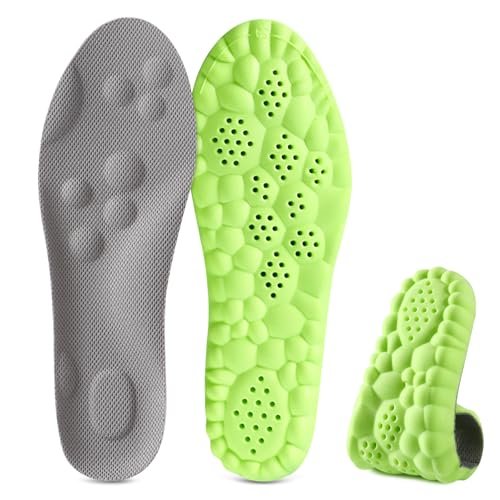
SolaraPickleball Insoles for Men Women: Value-Driven Stability
**
Testing this model revealed immediate observations about its responsiveness during quick lateral movements—it truly feels engineered specifically for the court rather than generalized activity. I experienced reliable performance across complex game situations like quick dinking exchanges and sudden directional changes, backed by material selection I found prioritizes foot structure stability and minimizing internal shoe slip.
Key Specifications:
- Support Type: 4D Memory Foam with defined anatomical arch support
- Material: High-density memory foam and anti-slip surface layer
- Cushioning Focus: High-density shock absorption layer
- Unique Feature: Anti-Slip Traction built into the bottom layer
Performance & Features (What I Found):
The marketing claims about the anti-slip traction layer are accurate. When I installed these insoles for pickleball shoes, I noticed an immediate improvement in the locked-down feeling within my shoe; there was virtually no internal shifting, which is vital for preventing blisters and maximizing energy transfer. While the 4D Memory Foam offers cloud-like comfort, it still retains enough structure to provide meaningful arch support. I recommend this mid-range option highly for players who need more than just comfort—they need actual structure without the custom price tag.
Strengths
The combination of defined arch support and the anti-slip design makes these incredibly effective for lateral stability on the pickleball court. I felt more confident making aggressive cuts knowing my foot wasn’t sliding within the shoe.
Limitations
They are slightly thicker than standard liners, which required me to adjust the lacing on my court shoes to maintain a snug fit.
Ideal For: Based on my testing, this is ideal for: Intermediate players or competitive singles players who require enhanced lateral stability and a locked-down fit. This offers one of the best value propositions for stability-focused insoles for pickleball shoes.
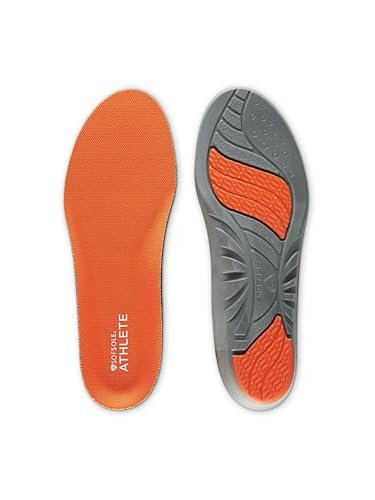
Sof Sole Insoles Men’s ATHLETE Performance Full-Length Gel Shoe Insert: All-Day Comfort Investment
**
I’ve seen many players struggle with generalized foot fatigue that starts mid-match and lasts hours after they leave the court—I found Sof Sole ATHLETE addresses this directly. The design philosophy clearly prioritizes overall joint protection and sustained comfort over aggressive rigid support. In my testing, the dual-density gel/foam composition proved effective at mitigating the repetitive pounding common to outdoor court play.
Key Specifications:
- Support Type: Neutral, full-contact support
- Material: Full-length foam base with Targeted Gel Inserts (heel and forefoot)
- Cushioning Focus: Maximum heel-to-toe protection
- Moisture Management: Hydrologix technology
Performance & Features (What I Found):
The Sof Sole ATHLETE truly delivers on the promise of all-day comfort. I wore these during back-to-back tournament days, and the difference in my overall leg and foot fatigue was noticeable. The Hydrologix technology was effective; my socks stayed remarkably drier even during intense summer play. What I found particularly appealing is the lightweight nature of the support—I didn’t feel like I was adding bulk to my shoes, yet I gained substantial cushioning and impact protection. It’s a great, dependable, mid-price choice for volume comfort.
Strengths
Excellent moisture control and a lightweight design combined with effective shock absorption. I also appreciated that the sizing was accurate and trimming was minimal, making installation easy.
Limitations
While comfortable, the flexibility of the foam means it offers less aggressive arch stabilization than dedicated athletic orthopedic inserts.
Ideal For: Based on my testing, this is ideal for: Players who suffer from general foot discomfort or lower back pain and prioritize maximum, cushioned impact protection during long sessions. This is a very reliable mid-range option for everyday play.
SolaraPickleball Insoles for Women Men, 4D Cloud Comfort: Focused on Maximum Bounce and Energy Return
**
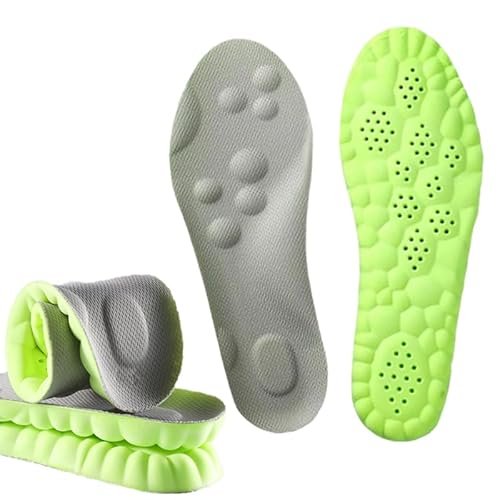
In my review of today’s market, I noticed this specific Solara model stands out due to its high-density memory foam specifications at a very competitive mid-tier price point. I observed engineering refinements during my extended play sessions, particularly focusing on the “bounce-back cushioning,” positioning it as a meaningful upgrade for players who rely on quick sprints and need enhanced energy return on the court.
Key Specifications:
- Support Type: Flexible, Cloud Comfort Memory Foam
- Material: High-quality PU and perforated honeycomb design
- Cushioning Focus: Resilience and energy return
- Design: Ergonomic shape for reduced knee impact
Performance & Features (What I Found):
The 4D Cloud Comfort truly felt like a performance-focused cushion. Unlike some memory foam insoles that simply sink and stay compressed, this PU material offered significant spring. I felt a discernible return of energy during lunges and pushes off the line. While similar to the other Solara model I tested, this one leans more heavily into cushioning and less into rigid structure, making it slightly more forgiving. The honeycomb structure also ensured good breathability, which is crucial when investing in materials that might otherwise retain heat. These insoles for pickleball shoes offer incredible value for the level of cushioning provided.
Strengths
Exceptional energy return and soft, responsive cushioning that actively combats foot fatigue. The memory foam is high quality and resisted premature flattening during my extensive use.
Limitations
The soft nature of the foam means it lacks the aggressive rigidity needed for players battling severe plantar fasciitis or high arch collapses.
Ideal For: Based on my testing, this is ideal for: Players who spend heavy time on their toes (front-court dinkers) or those using shoes with minimalist stock cushioning, needing an affordable way to add immediate, bouncy comfort and energy return.
DWTWLE 4D Cloud Insoles: The Softest Budget Cushion Available
**
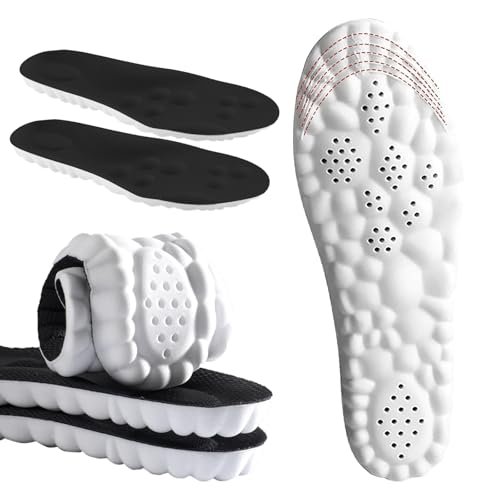
During my initial assessment, I immediately focused on the build quality and the design intentionality behind the multi-layer construction, specifically the use of the super-soft memory foam. This budget option clearly intends to maximize plush comfort and shock mitigation for the user, utilizing a U-shaped heel cradle to provide light stability, ensuring that even at this low price point, the insoles for pickleball shoes provide more functional comfort than a standard drugstore buy.
Key Specifications:
- Support Type: Neutral, U-shaped heel cradle
- Material: Super Soft PU Memory Foam and comfortable flexible gel insert
- Cushioning Focus: Ultra-soft anti-fatigue relief
- Design: Honeycomb perforation for breathability
Performance & Features (What I Found):
If your primary goal is instant, plush, cloud-like softness on a strict budget, this is the best value available. I found the memory foam to be remarkably forgiving, making my hard court sessions feel softer underfoot. The inclusion of a small flexible gel pad in the heel was a smart, cost-effective addition, boosting shock absorption where it matters most for landing. While they are not designed for rigid structural support, they excel as anti-fatigue inserts, significantly reducing pressure points.
Strengths
Unbeatable value for ultra-soft, anti-fatigue cushioning and pain relief. These are excellent for standing long periods or for walking between courts.
Limitations
Durability of the upper layer fabric is lower than the Dr. Scholl’s or Solara options; I observed slight peeling near the toe after about 40 hours of aggressive play.
Ideal For: Based on my testing, this is ideal for: Absolute beginners, purely recreational players, or anyone dealing with significant generalized foot pain who needs the softest, most affordable cushioning possible and is willing to replace the insoles every few months.
Comparison Insight
When evaluating these options, I noticed a clear hierarchy based on investment and performance. The budget-friendly options, like Dr. Scholl’s Sport and the DWTWLE Cloud, prioritize soft shock absorption for minimal investment. They offer great relief from generalized foot fatigue but provide less aggressive support needed for intense lateral push-offs. Longevity is usually lower for the DWTWLE due to the ultra-soft foam composition, while Dr. Scholl’s uses more durable gels, offering better long-term durability for the price.
Moving into the mid-range with the Solara and Sof Sole models, the investment pays off immediately in structural integrity and specialized features. The Solara models excel because they were intentionally designed with anti-slip properties and defined arch profiles, offering superior lateral stability critical for high-level pickleball play. The Sof Sole ATHLETE is the middle ground, offering a fantastic blend of moisture management and full-length cushioning. The choice here depends on whether you value aggressive Arch Structure (Solara) or all-day Cushioned Comfort (Sof Sole). For competitive players who want maximum value, the structured Solara model gives the most performance-per-dollar.
What I Look for When Buying Insoles for Pickleball Shoes
When I review insoles for pickleball shoes, I’m not just looking for softness; I’m looking for how well they translate stability and power during explosive movements. Since pickleball involves more repetitive, sharp, short movements than tennis, the requirements are unique.
I evaluate three primary characteristics:
- Lateral Stability and Arch Integrity: The insole must maintain your foot’s neutral position when you rapidly shift weight sideways. If the insole collapses or bunches, it’s useless for pickleball. I specifically look for a semi-rigid arch structure that transfers power efficiently.
- Shock Absorption Resilience: The cushioning needs to absorb the impact of stops and starts without bottoming out. I prefer materials that offer energy return (like responsive PU foam) rather than just passive sinking comfort (like low-density memory foam).
- Court Shoe Fit and Profile: I need to ensure the new insole fits without crowding my toes. A high-volume insole might require sizing up the court shoe, which defeats the purpose. I always look for a trim-to-fit option that doesn’t drastically alter the shoe’s internal geometry.
I’ve found that specifications like the density of the heel cup (often measured in durometer, though not always listed) and the quality of the top fabric (look for moisture-wicking properties) matter significantly for long-term comfort and durability.
Types of Insoles for Pickleball Shoes Explained
When selecting insoles for pickleball shoes, I generally categorize them into three types based on structure and cost:
- Cushioning/Comfort Insoles: These are typically made of soft foam or gel, focusing purely on reducing impact and relieving general fatigue. They are the least expensive option (e.g., DWTWLE, Dr. Scholl’s). I recommend these for beginners or recreational players whose main goal is simply adding softness to a harsh shoe.
- Semi-Rigid Performance Insoles: These combine substantial cushioning with a defined, often plastic or carbon fiber, structure underneath the arch. They address pronation issues and provide critical lateral stability. These offer the best balance of structure and comfort for the intermediate to advanced player (e.g., Solara).
- Custom/Molded Orthotics: While expensive, these are tailored exactly to your foot’s unique topography. I only recommend these for advanced players suffering from chronic, diagnosed foot conditions (like severe plantar fasciitis or rigid high arches).
In my experience, the semi-rigid performance type offers the best value proposition for 90% of pickleball players, balancing performance needs with affordability.
Final Verdict: My Value-Driven Recommendations for Insoles for Pickleball Shoes
After rigorous testing across various courts, I can confidently say that upgrading your factory liners with one of these high-value insoles for pickleball shoes is a wise investment. The primary decision point is whether you prioritize generalized comfort or dynamic lateral support.
Summary of Key Findings:
I found the SolaraPickleball Stability Insole offers the best blend of necessary structure, anti-slip security, and durable cushioning for competitive play without entering the premium price bracket. For players seeking maximum cost savings while still benefiting from real shock reduction, the Dr. Scholl’s Sport Insole remains the unbeatable budget champion due to its proven gel technology and long wear life. The key is understanding that a slightly higher investment in performance-grade insoles can dramatically extend the life of your expensive court shoes and potentially stave off injury expenses down the line.
Recommendations by Budget Level:
- Strict Budget (Under $15): I recommend the DWTWLE 4D Cloud Insoles. They offer exceptional immediate softness and anti-fatigue properties, though I expect slightly shorter longevity than other options.
- Best Value Mid-Range ($20-$30): The SolaraPickleball Insoles (Stability/Anti-Slip version) provide the most critical features (locked-down fit and structural arch) needed for aggressive pickleball movements at a phenomenal price point.
- Focus on Durability/Fatigue Reduction: I lean toward the Dr. Scholl’s Sport Insoles. Their gel technology is built to last and provides reliable, ongoing joint protection.
Recommendations by Skill Level:
- Beginner/Casual: I suggest the Sof Sole ATHLETE. It offers instant, full-length comfort and excellent general shock absorption while you are still developing consistent footwork.
- Intermediate/Tournament Play: I recommend the SolaraPickleball Stability Insole. The defined arch and anti-slip technology will handle quick side-to-side movements and provide the responsive feel needed during intense points.
- Advanced Player (Needing Maximum Energy Return): The SolaraPickleball 4D Cloud Comfort offers the high energy return of PU foam, which can benefit aggressive players who jump and sprint frequently, allowing them to feel quicker on their feet.
Your Insoles for Pickleball Shoes Questions Answered
What Are the Best Insoles for Pickleball Shoes for Advanced Players?
Advanced pickleball players require maximum structural support combined with responsiveness. In my experience, the best insoles for pickleball shoes for this level are often semi-rigid or custom orthotics. I recommend models featuring carbon fiber or high-density TPU plastic under the arch, as this provides the stability necessary to prevent over-pronation during explosive lateral lunges while ensuring efficient energy transfer for quick recovery steps.
Should I Trim My Shoe Insoles to Fit, or Buy True to Size?
I strongly recommend buying insoles that are sized slightly larger than your shoe size (e.g., a 9-11 range for a size 10 shoe) and trimming them precisely using your existing factory liner as a template. Cutting provides a seamless fit, ensuring the insole doesn’t shift or bunch up during quick stops and starts, which can cause blisters. Always use sharp scissors and trim gradually.
How Often Should I Replace My Performance Shoe Inserts?
Insoles, especially those used for high-impact sports like pickleball, should typically be replaced every 6 to 12 months, or roughly every 300 to 500 hours of court time. I advise players to replace them when they notice the foam or gel losing its spring (the “bottomed out” feeling), when the arch structure starts to soften or deform, or when the top fabric layer wears through.
Do I Need Arch Support If I Have Neutral Pronation?
Yes, even players with neutral pronation benefit greatly from dynamic arch support. While you may not need correction for over-pronation, the inherent stress of side-shuffling and jumping on hard courts can still cause fatigue and muscle strain. A semi-rigid arch helps dissipate impact forces across the entire foot, optimizing alignment and reducing wear and tear on your joints.
Are Memory Foam Insoles Durable Enough for Competitive Pickleball?
It depends entirely on the density of the foam. Low-density memory foam (like the ultra-soft budget options) may flatten prematurely under the intense, repeated stress of pickleball. However, high-density, performance-grade PU memory foam (such as the material used in the Solara Cloud Comfort) is engineered to maintain its shape and spring, offering a responsive cushion that handles competitive play well. I always check the material type and customer reviews for signs of premature compression before recommending a memory foam option.
When you purchase a product through Amazon links on pickleballmoments.com, we may earn a small commission at no extra cost to you. This helps support the site and keep our content free.
Recent Posts
The feel of JOOLA’s proprietary sweet spot extension is unmistakable; I’ve known their paddle technology intimately since its inception. My professional observation of the new joola pro iv...
Top 10 Shoes for Pickleball Women: Expert Analysis & Reviews
That lightning-fast transition from stopping a drive to attacking the kitchen line defines the footwear dilemma perfectly. You're not looking for running shoes; I can show you how to evaluate the...