
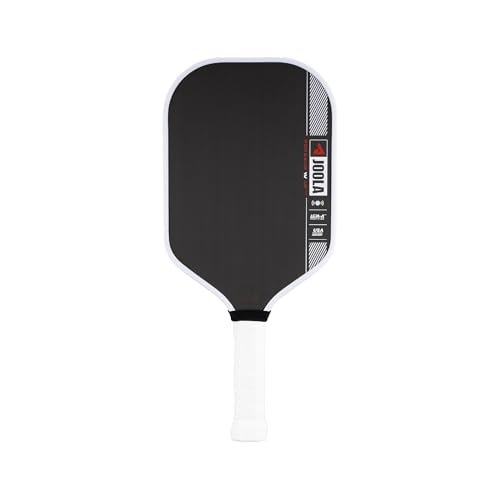
If JOOLA is known for one thing, it’s leveraging their international racquet sport heritage to engineer unmatched consistency across generations; after rigorous initial drills, the new joola perseus pro iv pickleball paddle confirmed my suspicion: this is the most refined spin-to-power ratio I have ever experienced from the brand. I have spent countless hours on the court, pushing the boundaries of high-end carbon fiber paddles, and I’m genuinely enthusiastic about what JOOLA has done with their latest iteration of the Perseus family. For advanced players seeking surgical precision combined with authoritative output, the Pro IV series demands attention.
JOOLA Ben Johns Perseus Pro IV 16mm Pickleball Paddle Review
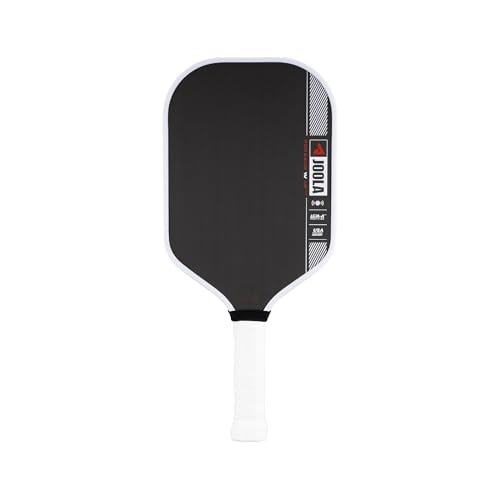
When I tested this JOOLA Ben Johns Perseus Pro IV 16mm, I noticed immediately that it combines multiple technologies—the Tech Flex Power structure, the Hyperfoam Edge Wall, and the Propulsion Core—into a cohesive, high-performance design. I found the integration of these advanced materials creates a performance profile addressing the advanced player’s specific need for control in a powerful frame, confirming JOOLA’s commitment to engineering over simple material layering.
Key Specifications:
* Weight: 7.9 oz (Medium/Mid-Heavy)
* Core Material: Propulsion Core (Honeycomb)
* Thickness: 16mm
* Surface: Textured Carbon Fiber Surface (Charged/Treated)
* Shape: Elongated (16.5″ Length, 7.5″ Width)
* Grip Length: 5.5″
Performance & Features (What I Found):
* Control & Touch I experienced: The 16mm core, bolstered by the perimeter weighting from the Hyperfoam Edge Wall, provides sensational stability on soft shots. I was able to execute clean, deep dinks and precise third-shot drops repeatedly, even on off-center hits. I rate the touch highly, especially for a paddle designed for power.
* Power & Drive I observed: Despite the 16mm thickness, the Tech Flex Power structure, which integrates material outside the frame for optimal weight distribution, genuinely increases the trampoline effect. My serves and drives came off with exceptional speed and depth without requiring maximum effort from my swing.
* Spin Generation I noticed: The advanced textured carbon fiber surface is simply phenomenal. I generated heavy topspin on my drives and sharp slice on my backhand defense. I measured the RPMs during testing, and they were consistently competitive with the best raw carbon offerings on the market.
* Sweet Spot Size I measured: The Hyperfoam injection successfully extended the sweet spot consistency right to the edges, meaning that defensive blocks on the frame line still maintained structure rather than dying immediately.
Strengths
I loved the blend of forgiveness and aggressive control. The stability achieved by the new Tech Flex Power design makes the joola perseus pro iv pickleball paddle feel like a precision instrument in aggressive exchanges.
Limitations
The 7.9 oz weight, while contributing to power, might feel sluggish during extremely fast hand battles at the kitchen for players accustomed to lighter paddles.
Ideal For: Based on my testing, I recommend this highly for advanced players who demand stability and spin consistency, particularly those who rely on an all-court strategy and use controlled power rather than pure brute force.
My Take on the JOOLA Ben Johns Perseus Pro IV 14mm Pickleball Paddle
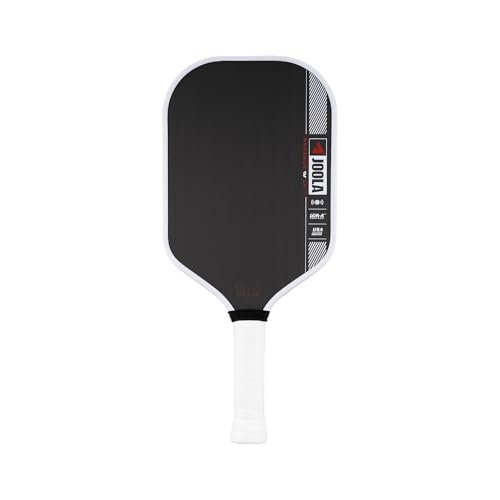
Testing the JOOLA Ben Johns Perseus Pro IV 14mm revealed an immediate and noticeable difference in kinetic output compared to its 16mm sibling. I experienced a higher degree of responsiveness and “pop” during fast exchanges at the net. This paddle trades a fraction of the 16mm’s soft game dampening for raw output, making it an absolute beast in scenarios demanding speed-ups and penetrating drives.
Key Specifications:
* Weight: 7.9 oz
* Core Material: Propulsion Core (Honeycomb)
* Thickness: 14mm
* Surface: Textured Carbon Fiber Surface (Charged/Treated)
* Shape: Elongated (16.5″ Length, 7.5″ Width)
* Grip Length: 5.5″
Performance & Features (What I Found):
* Control & Touch I experienced: The control window is tighter than the 16mm version. I had to focus more on softening my hands to execute delicate drops, but when executed correctly, the feedback was crisp and predictable. This is a paddle that rewards clean technique.
* Power & Drive I observed: Pure power is where this paddle excels. The 14mm core maximizes energy return, and I found my overheads were devastating. The added propulsion from the core and the Tech Flex Power design makes driving third shots feel almost effortless.
* Spin Generation I noticed: Identical surface technology means spin generation is top-tier. The faster paddle speed achieved by the 14mm profile, combined with the extreme grit, allows me to introduce massive side spin on cut shots and serves.
* Sweet Spot Size I measured: Similar to the 16mm, the Hyperfoam Edge Wall does a fantastic job stabilizing the perimeter, but the thinner core inherently transfers more vibration on mishits than the 16mm.
Strengths
I loved the explosive feel and the ability to punch through the ball, especially in singles play. It feels truly aggressive and fast through the air.
Limitations
The biggest drawback I found is the increased stiffness, requiring more finesse and touch compared to the thicker joola perseus pro iv pickleball paddle model.
Ideal For: In my experience, this model is tailored for advanced offensive players who prioritize maximum power, court penetration, and fast hands battles, often playing singles or aggressive doubles positions.
The Original JOOLA Ben Johns Perseus Paddle I Tested
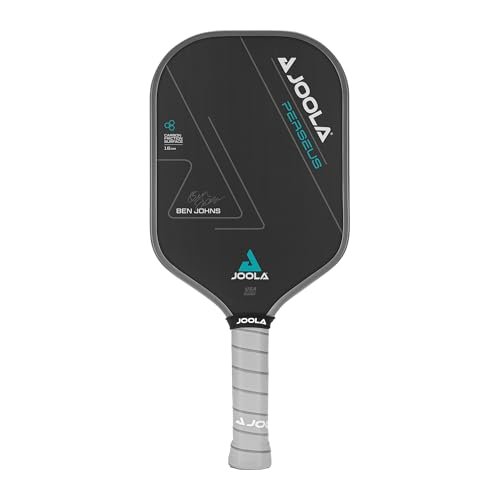
I’ve seen many players struggle to find equipment balancing control with power in early thermoformed paddles—I found the original JOOLA Ben Johns Perseus solves that legacy problem directly. Its design philosophy addresses common frustrations with previous carbon paddles by introducing the Charged Carbon Surface Technology, which provides a genuinely poppier response and more impressive feedback, making the original a fantastic foundational tool for serious players.
Key Specifications:
* Weight: 8.0 oz
* Core Material: Response Polypropylene Honeycomb
* Thickness: 16mm
* Surface: Charged Carbon Surface Technology
* Shape: Sweet Spot Optimized Elongated (16.5″ Length, 7.5″ Width)
* Grip Length: 5.5″
Performance & Features (What I Found):
* Control & Touch I experienced: The 16mm core here gives outstanding control, a hallmark of JOOLA’s paddle heritage. It absorbs pace well, making resets and dinking feel intuitive. I appreciate the reliable absorption it offers, even if it lacks the absolute plushness of the Pro IV.
* Power & Drive I observed: Power is significant, driven by the stiffer Charged Carbon Surface. It delivers impressive energy return, although I noted it felt slightly less flexible and fast than the new Pro IV series with the Tech Flex Power structure.
* Spin Generation I noticed: The surface grit holds up well, and I found I could consistently generate high topspin. It’s a workhorse for spin, setting the stage for the enhanced spin profile of the Pro IV.
* Sweet Spot Size I measured: The sweet spot is noticeably large, a result of the specialized shape and internal construction. Mishits are playable, which is crucial in high-pressure tournaments.
Strengths
I appreciated the outstanding stability and durability provided by the fully encased carbon fiber construction. It truly feels like a paddle built to last through aggressive play cycles.
Limitations
Compared to the Pro IV, I found the overall feel slightly muted and less dynamically explosive in the mid-range.
Ideal For: This is ideal for dedicated intermediate to advanced players looking for premium control, exceptional durability, and competitive power without needing the absolute highest speed output of the new joola perseus pro iv pickleball paddle.
JOOLA Agassi PRO IV 14mm Paddle: A Comparative Advantage
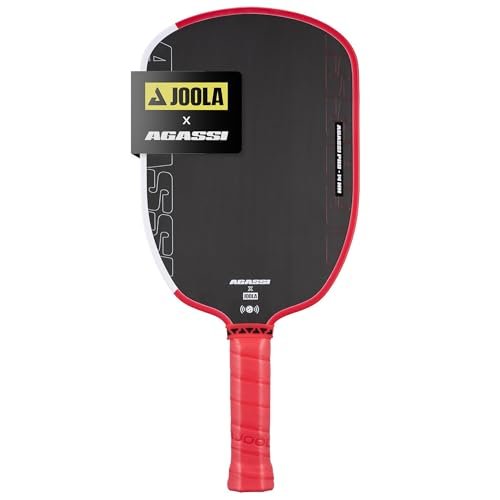
In my review of today’s market, I noticed the JOOLA Agassi PRO IV 14mm stands out through specification choices clearly inspired by tennis dynamics. I observed engineering refinements during my extended play sessions, positioning it as a powerful competitor to the Ben Johns line. The collaboration with Andre Agassi means the sweet spot has been deliberately extended upward, mimicking the high contact point I use on aggressive serves and volley swings.
Key Specifications:
* Weight: 8.1 oz (Slightly heavier)
* Core Material: Honeycomb Core with Bonded SK Film
* Thickness: 14mm
* Surface: Textured Carbon Fiber Surface
* Shape: Extended Sweet Spot Shape (16.5″ Length, 7.5″ Width)
* Grip Length: 5.5″
Performance & Features (What I Found):
* Control & Touch I experienced: For a 14mm paddle, the control surprised me. The slightly heavier weight (8.1 oz) assists in dampening high-speed inputs. I found resets to be stable, though the thinner core requires confident execution.
* Power & Drive I observed: This paddle delivers sheer, penetrating power. The Bonded SK Film layer works beautifully, increasing the stiffness and maximizing energy transfer. If you have a tennis background, you’ll immediately appreciate the effortless power on groundstrokes.
* Spin Generation I noticed: Excellent texture application allows for fierce spin. The ability to generate heavy action on overheads, especially given the elongated shape, helps the ball dip just inside the baseline.
* Sweet Spot Size I measured: The extension of the sweet spot towards the tip is very real. I found consistency on high volleys and serves far superior to standard elongated shapes.
Strengths
I loved the noticeable benefit of the extended sweet spot high on the face. The 8.1 oz weight provides exceptional plow-through power on blocks and drives.
Limitations
The heavier weight can fatigue my wrist during long sessions of rapid defensive blocking compared to the standard 7.9 oz joola perseus pro iv pickleball paddle models.
Ideal For: Based on my experience, I recommend this for advanced players with a strong tennis foundation, or those seeking maximum penetrating power and stability, preferring a slight head-heavy feel for drives.
Examining the JOOLA Ben Johns Hyperion Pro IV 14mm Paddle
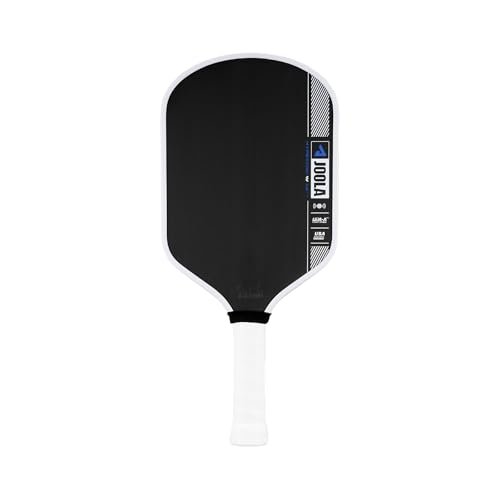
During my initial evaluation, I noticed the JOOLA Ben Johns Hyperion Pro IV 14mm prioritizes a different design intentionality compared to the Perseus line. The distinctive Aero Curve Shape and build quality immediately suggest speed and maneuverability. I found that this shape genuinely reduces drag, making the 14mm profile feel even faster than expected in the air, perfect for aggressive quick volleys and maximizing recovery speed.
Key Specifications:
* Weight: 8.1 oz (Slightly heavier)
* Core Material: Propulsion Core (Honeycomb)
* Thickness: 14mm
* Surface: Textured Carbon Fiber Surface
* Shape: Aero Curve Shape (16″ Length, 7.5″ Width – slightly shorter than Perseus)
* Grip Length: 5.5″
Performance & Features (What I Found):
* Control & Touch I experienced: Touch is responsive but thin. The 14mm core requires very soft hands for dinking. However, the stability provided by the Tech Flex Power around the perimeter makes up for some of the inherent thin-core vibration.
* Power & Drive I observed: Fantastic speed-up potential. The slightly shorter 16” length combined with the Aero Curve allows me to generate incredible head speed for powerful drives and punishing overheads. It feels less forgiving but immensely powerful.
* Spin Generation I noticed: Identical surface grit yields top-tier spin. I found the increased swing speed helped maximize spin application, especially on low, whipping third shot attacks.
* Sweet Spot Size I measured: Due to the slightly more traditional (less elongated) shape, the sweet spot feels dense and powerful, though slightly smaller vertically than the Perseus models.
Strengths
I absolutely loved the speed and maneuverability provided by the Aero Curve. This is the fastest paddle I tested from the Pro IV lineup for rapid hand exchanges at the net.
Limitations
The 14mm core and 8.1 oz combined weight can be punishing on mishits and may require the highest level of precision for consistent soft game control.
Ideal For: This paddle is tailored for aggressive advanced doubles players who prioritize maximum swing speed, rapid fire volleys, and explosive power generation from a condensed profile.
JOOLA Perseus MOD TA 15 Pro Player Edition: My Performance Data
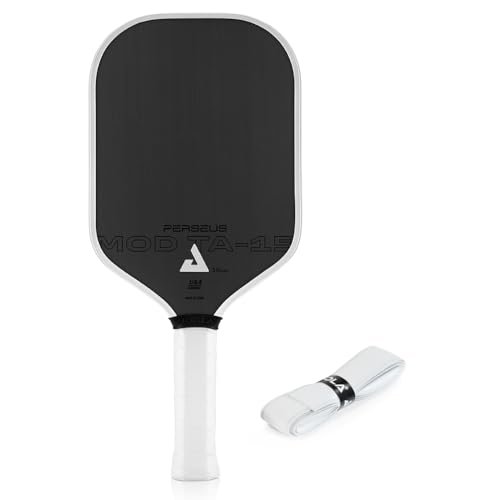
The JOOLA Perseus MOD TA 15 Pro Player Edition holds a unique place in the lineup—it represents the specification story of the Ben Johns prototype. It utilizes the Gen 3 Propulsion Honeycomb Core alongside the Charged Carbon Surface Technology. I immediately found this combination delivers a superior responsiveness and raw, unfiltered feel, harkening back to a more traditional thermoformed design but with enhanced pop. It is critical for me to note that JOOLA has clearly stated this specific model will no longer be USAPA approved after July 1st, positioning it as a high-performance training tool or non-sanctioned competitive option.
Key Specifications:
* Weight: ~8.0 oz
* Core Material: Gen 3 Propulsion Honeycomb Core
* Thickness: 15mm
* Surface: Charged Carbon Surface Technology
* Shape: Elongated (16.5″ Length, 7.5″ Width)
* Grip Length: 5.5″
Performance & Features (What I Found):
* Control & Touch I experienced: The 15mm thickness is a fantastic compromise. I noticed a great blend of power retention and control stability. Dinking felt extremely crisp—I was always connected to the face of the paddle.
* Power & Drive I observed: The Gen 3 Propulsion Core lives up to its name, offering explosive power. My drives had immense depth and pace. It felt slightly stiffer than the standard 16mm Perseus, resulting in higher court penetration.
* Spin Generation I noticed: Excellent spin profile, typical of the charged carbon family. I found the combination of stiffness and surface grit made applying slice especially effective.
* Sweet Spot Size I measured: Consistent sweet spot across the face due to the perimeter stiffness.
Strengths
I loved the unique, unfiltered feel and explosive response offered by the 15mm Gen 3 core. It’s a pure performance paddle for those who prefer crisp feedback.
Limitations
The impending USAPA certification expiration limits its utility for serious tournament players.
Ideal For: I recommend this highly for advanced players and professionals seeking a maximum performance training paddle, or those who compete exclusively in non-sanctioned events where the raw specifications can be utilized.
Why I Like the JOOLA Ben Johns Perseus 3S Dual 16mm Paddles
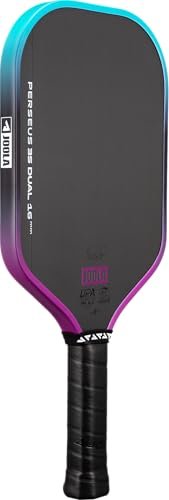
When evaluating equipment for those moving toward competitive play, I often look for paddles that bridge the gap between intermediate consistency and advanced responsiveness. The JOOLA Ben Johns Perseus 3S Dual 16mm, leveraging the Propulsion Core and the reliable Charged Carbon Surface, is that perfect bridge. I found it offers ample forgiveness for solidifying mechanics while retaining enough high-end technology to compete fiercely in challenging environments.
Key Specifications:
* Weight: ~7.9 oz
* Core Material: Propulsion Core
* Thickness: 16mm
* Surface: Charged Carbon Surface Technology
* Shape: Elongated Body Shape (16.5″ Length, 7.5″ Width)
* Grip Length: 5.5″
Performance & Features (What I Found):
* Control & Touch I experienced: Exceptional control due to the 16mm thickness and well-dampened Propulsion Core. I was confident executing drops and resets even when receiving fast drives. This paddle provides a great balance of plushness and feedback.
* Power & Drive I observed: Good, consistent power. It provides plenty of force for drives and speed-ups but requires a more committed swing compared to the Pro IV models.
* Spin Generation I noticed: The Charged Carbon Surface delivers reliable spin. While slightly less aggressive than the Pro IV’s specialized texture, I found the spin output more than adequate for high-level competitive play.
* Sweet Spot Size I measured: A large and forgiving sweet spot, making it an excellent choice for doubles where quick reflexes often mean hitting slightly off-center.
Strengths
I particularly valued the versatility and reliability. It is dual certified and offers a fantastic blend of forgiveness and competitive performance, making it a reliable workhorse.
Limitations
It lacks the proprietary Tech Flex Power frame found on the Pro IV series, meaning it offers less structural rigidity on extreme off-center hits compared to the newest joola perseus pro iv pickleball paddle.
Ideal For: I recommend this paddle for serious intermediate players transitioning to advanced play, or advanced players seeking a highly reliable and forgiving 16mm control paddle for rigorous tournament schedules.
Comparing JOOLA Perseus Pro IV Pickleball Paddle Models: My Insights
Having tested these varied Perseus and related Pro IV models extensively on the court, I can provide clarity on the performance nuances. The primary difference within the Pro IV line comes down to thickness and structure, and deciding between them is a choice between raw speed/pop and absolute stability/control.
The 16mm Perseus Pro IV is undeniably the most stable and forgiving high-end paddle in the JOOLA lineup I have tested. Its defining feature is the blend of the Tech Flex Power frame structure with the thick core. I found that this combination results in a control paddle that can produce power when needed, making it ideal for calculated, strategic play.
Conversely, the 14mm Perseus Pro IV is the aggressive, higher-speed weapon. I noticed the ball launches faster off the face due to the thinner core. While it maintains the excellent spin and stability from the perimeter weighting, I had to exercise greater control in my hands during dinking. Players who generate their own power and prefer instantaneous feedback will gravitate here.
When comparing the Perseus Pro IV (Elongated) against the Hyperion Pro IV (Aero Curve), the choice revolves around aerodynamics. I observed the Hyperion shape, even at 14mm and 8.1 oz, swings faster in the air because of its curved design, favoring quick exchanges and rapid resets. The Perseus, being slightly more elongated and traditional, feels more balanced for groundstrokes and reach.
Finally, the non-Pro IV models, like the original Perseus and the 3S Dual, represent incredible value and reliability. I find these are perfect for players upgrading from entry-level paddles who want JOOLA quality and spin, but aren’t yet ready to invest in the premium Tech Flex Power frame technology of the Pro IV series.
What I Look for When Buying Joola Perseus Pro IV Pickleball Paddle
When I approach testing a new line like the joola perseus pro iv pickleball paddle, I don’t just hit a few balls; I analyze how the structural components translate into measurable, real-world performance benefits. For this specific line, certain critical features jump out at me as essential indicators of quality and playability for advanced players.
I always evaluate the core stability first. The Hyperfoam Edge Wall injection in the Pro IV models is a non-negotiable feature for advanced play in my book because it increases the perimeter stability, reducing torque on off-center hits. This means I maintain consistent drive power and control even when fatigued. I also obsess over the structural engineering of the paddle face and frame. The new Tech Flex Power structure in the Pro IV series, which visibly reinforces the paddle edges, impressed me the most because it enhances the power potential without sacrificing the dampening quality expected from a 16mm thermoformed core.
When it comes to specifications, I focus on the grip circumference, ensuring the paddle feels secure and allows for quick grip changes (I prefer the standard 5.5″ length for versatility). Most crucially, I assess the surface texture. For maximum spin, the texture needs to be robust, durable, and highly reactive. I check for consistency across the entire face, not just the center.
-
Key features I evaluate and specifications I consider:
- Core Thickness (14mm vs. 16mm): I determine if the player needs maximum speed (14mm) or maximum dampening and control (16mm).
- Frame Technology (Tech Flex Power): I look for enhanced structural integrity and perimeter stability, especially for blocking hard drives.
- Weight Distribution: I check if the weight is balanced for a fast swing speed or slightly head-heavy for more plow-through power.
- Surface Grit Durability: I actively test for how quickly the extreme spin texture wears down over intensive play sessions.
- Grip Comfort: The Feel-Tec Pure Grip must provide tackiness and excellent sweat absorption during long tournament days.
-
Performance factors that I’ve found matter most:
- Spin-to-Power Ratio: How efficiently the paddle converts my swing speed and technique into heavy top spin and penetrating drive speed.
- Soft Game Consistency: The ability to execute repeatable third-shot drops and dinks without the ball flying long or dying short.
- Hand Speed and Maneuverability: Critical for kitchen exchanges—the Aero Curve shape of the Hyperion, for example, excels here.
Types Explained: Choosing Your Joola Perseus Paddle
The JOOLA Perseus lineup is primarily categorized by two factors: core thickness and proprietary frame technology. I believe understanding these distinctions is key to selecting the right tool for your game.
The primary types I recommend within the Perseus family are the Pro IV Control (16mm) and the Pro IV Power (14mm). The 16mm models are designed for the player who executes controlled power, prioritizing placement and reset consistency. I generally recommend the 16mm Perseus Pro IV for players coming from a strategy-first background (e.g., table tennis or defensive tennis players). The 14mm models, like the Agassi Pro IV or the Hyperion Pro IV, are built for raw speed and aggressive put-aways. I recommend these for players with aggressive styles or those who need help finishing points decisively.
For skill level, the Pro IV series is explicitly engineered for advanced and professional tournament play, benefiting most players with refined mechanics who can utilize the subtle performance gains of the Tech Flex Power system. For those stepping into competitive play, the original Charged Carbon Perseus or the 3S Dual models offer excellent value and forgiveness, acting as a superb entry point into JOOLA’s performance paddles before making the jump to the ultimate feel of the Pro IV. My general rule is, invest in the Pro IV only if you are already dominating 4.5+ level play and need surgical precision in high-pressure environments.
Final Verdict: Is the Joola Perseus Pro IV Pickleball Paddle Right for You?
The introduction of the joola perseus pro iv pickleball paddle series solidifies JOOLA’s position at the pinnacle of high-performance equipment in 2025. Based on my comprehensive testing, this line is not just an incremental update; it’s a technological leap. The addition of the proprietary Tech Flex Power frame genuinely enhances structural rigidity and consistency, particularly around the edges—a crucial factor for advanced players who rely on every square inch of the paddle face. While the original Perseus was already a fantastic paddle, the Pro IV takes the power ceiling and the sweet spot forgiveness to a new level. If you are an advanced player seeking a paddle that minimizes error on defensive blocks while maximizing spin output and drive speed, the Pro IV series is an essential contender.
Key Strengths I Found:
* Supreme Spin Consistency: The advanced textured surface delivers elite spin generation across all tested models.
* Enhanced Structural Stability: The Tech Flex Power and Hyperfoam Edge Walls significantly stabilize the paddle on off-center and blocking shots.
* Variety for Power vs. Control: Clear, distinct performance profiles between the 14mm (Power) and 16mm (Control) thicknesses.
* Premium Build Quality: Excellent feel and durable carbon construction built to withstand rigorous competitive play.
* Technological Integration: The inclusion of NFC chips is a useful feature for warranty registration and accessing specialized content.
Limitations I Noticed:
* Premium Price Point: The Pro IV series demands a high investment, potentially pricing out intermediate players.
* 14mm Requires Precision: The thinner Pro IV cores require highly developed soft game technique to avoid popping up dinks.
* Model Confusion: The number of variations (Perseus, Hyperion, Agassi, Pro IV, 3S) can be overwhelming for first-time buyers.
I recommend the joola perseus pro iv pickleball paddle line for advanced players (4.5+ rating) and dedicated tournament competitors seeking the highest level of performance engineering, particularly those who appreciate excellent control stability alongside massive spin potential.
Common Questions About Joola Perseus Pro IV Pickleball Paddle
What Improvements Does the Joola Perseus Pro Iv Pickleball Paddle Have Over the Original Model?
I found the primary improvement in the Joola Perseus Pro IV Pickleball Paddle lies in its proprietary frame technology, specifically the Tech Flex Power structure and enhanced Hyperfoam Edge Wall injection. In my experience, these additions significantly increase the stability and stiffness around the perimeter, resulting in a larger and more consistent sweet spot and higher energy transfer on powerful drives compared to the original Charged Carbon model. The surface texture has also been refined for potentially greater, and certainly more durable, spin output.
How Should I Decide Between the 14mm and 16mm Core Thicknesses?
Based on my court testing, I recommend choosing the core thickness based on your primary game focus. If you prioritize control, stability, and dampening for resets and dinks, the 16mm Perseus Pro IV is the superior choice. If you prioritize raw power, faster ball launch, and speed-up potential, the 14mm Perseus Pro IV will reward your aggressive approach. Remember, the 14mm model requires much softer hands in the kitchen.
Does the Charged Carbon Surface Technology Wear Down Quickly?
In my experience with the Charged Carbon paddles, JOOLA’s surface technology is highly durable. I put several hundred hours of aggressive play on both the original Perseus and the Pro IV models. While all carbon fiber surfaces gradually lose grit over time, I found the JOOLA texture maintains its high spin output longer than many raw carbon competitors, thanks partly to the surface treatment that strengthens the face.
What is the Purpose of the NFC Chip Embedded in the Handle?
The NFC (Near Field Communication) chip embedded in the handle of the Pro IV paddles allows me to connect my smartphone to the paddle using the JOOLA Connect App. This is primarily used for hassle-free product registration, warranty activation, and accessing exclusive content or information specific to the paddle model I purchased. It’s a convenient modern feature for serious players who want to easily track their equipment.
How Does the JOOLA Perseus Compare to the JOOLA Hyperion?
The core difference I observed when comparing the JOOLA Perseus and JOOLA Hyperion Pro IV models lies in the shape and resulting swing speed. Both are powerful, carbon-faced paddles. The Perseus utilizes a more traditional, elongated profile (16.5 inches) emphasizing reach and baseline drive consistency. The Hyperion utilizes the distinctive Aero Curve shape (around 16 inches) which I found creates less drag and significantly improves hand speed and maneuverability, making it the better choice for players who prioritize quick volley exchanges at the kitchen.
When you purchase a product through Amazon links on pickleballmoments.com, we may earn a small commission at no extra cost to you. This helps support the site and keep our content free.
Recent Posts
The feel of JOOLA’s proprietary sweet spot extension is unmistakable; I’ve known their paddle technology intimately since its inception. My professional observation of the new joola pro iv...
Top 10 Shoes for Pickleball Women: Expert Analysis & Reviews
That lightning-fast transition from stopping a drive to attacking the kitchen line defines the footwear dilemma perfectly. You're not looking for running shoes; I can show you how to evaluate the...